
ACRE
A new culture war is brewing — and Coca-Cola’s AI Christmas ad is at the center

PUBLICADO
1 ano atrásem
The concept of a sociopolitical “culture war” has become so expansive that it feels, at times, reductive. It’s both broad enough to cover everything, from coffee chains to cookie commercials, yet predictable enough for the factions’ opinions to fall roughly along well-worn partisan lines. But now, a new kind of culture war is brewing among the creative class — one that cuts deeper into professional and personal identities.
At its center is debate over the use of generative artificial intelligence, the technology behind tools like ChatGPT, DALL-E and MidJourney. While some hail AI as a breakthrough, enabling near click-of-the-button speed and innovation in industries ranging from marketing to medicine, many see it as a profound threat to creative industries.
The debate over AI’s role in creative work has surfaced in unexpected ways over the past year and reached a fever pitch in recent months. Last fall, Zelda Williams, daughter of the late Robin Williams, denounced AI recreations of her father’s voice, calling them exploitative and made without consent. Over the summer, the Grammy-winning Tedeschi Trucks Band apologized to fans after discovering that one of their tour posters — sold as merchandise — had been generated by AI. In October, CNN reported on the rise of AI-powered virtual K-pop bands in South Korea, while some U.S.-based crowdfunding platforms introduced rules banning campaigns relying entirely on AI-generated content.
Amid this growing divide, Coca-Cola entered the conversation with a bold move: the release of a new Christmas commercial created using generative AI, thrusting the global brand into the heart of this contentious debate.
Festive flashpoint
The Coca-Cola commercial in question, released earlier this month, features all the hallmarks of holiday nostalgia: families exchanging warm smiles, people in cozy knit scarves and gloves clutching the iconic glass bottles, big red trucks rumbling through snowy streets. The imagery is an unmistakable homage to the company’s 1995 “Holidays Are Coming” advertisement, which was made using human actors and real trucks.
But this time, Coca-Cola’s commercial promising “real magic” wasn’t assembled on a set or a soundstage. Instead, it was conjured into existence by artificial intelligence and featured a few otherworldly touches, like a snowy village melting into a Coke bottle here, or a gingerbread house animating itself there.
According to Forbes, the video was a collaborative effort by three AI studios — Secret Level, Silverside AI and Wild Car — using four different generative AI models, a kind of technical choreography. Each studio created their own version of the ad (though Silverside’s AI developer, Chris Barber, has since clarified on X, formerly Twitter, the now-viral version of the advertisement wasn’t their studio’s contribution).
Many creators and customers were quick to criticize the campaign as being emblematic of a worrying trend of replacing human artistry with machine-generated substitutes. For instance, Alex Hirsch, the creator of the beloved Disney series “Gravity Falls,” joked online that Coca-Cola’s signature red color scheme was now “made from the blood of out-of-work artists,” while other social media commentators described the advertisement as “disastrous” and “dystopian.”
“Coca-Cola just put out an ad and ruined Christmas,” Dylan Pearce, a TikTok user, said of the commercial. “To put out slop like this just ruins the Christmas spirit.”
A broader battle
The debate over Coca-Cola’s commercial is just the latest flashpoint in a growing culture war among the creative class. Similar tensions arose earlier this year when Apple faced backlash for an iPad Pro ad that depicted art supplies — brushes, paints, canvases, musical instruments, typewriters — being pulverized by a hydraulic press, a message many saw as a dismissal of traditional methods in favor of digital tools.
Supporters of generative AI often liken this moment to past technological upheavals, such as the invention of photography or the rise of digital publishing. They argue that each disruption faced its own wave of skepticism before becoming a standard tool for creators. But critics say this comparison misses the mark. Generative AI doesn’t merely augment creativity — it fundamentally reshapes the economics of creative work.
“Generative AI doesn’t merely augment creativity — it fundamentally reshapes the economics of creative work.”
While a traditional ad campaign might require weeks of brainstorming sessions, focus groups and meticulous production schedules, AI can spit out a ready-made storyboard in minutes. Coca-Cola’s ad crystallizes these fears, even though, as Shelly Palmer, a professor of advanced media in residence at Syracuse University, said in a recent blog post, it “truly sucks.”
In an industry where holiday campaigns are major cultural touchpoints — think of the iconic Coca-Cola polar bears or the “Holidays Are Coming” truck — replacing traditional methods with AI feels, to some, like a betrayal. This is especially true after Pratik Thakar, a vice president of Coca-Cola and the company’s global head of generative A.I., touted the budgetary and speed advantages of the project in a recent conversation with Ad Age.
So, for every artist who sees AI as a tool to expand their imagination, there’s another who views it as a threat to their livelihood. Coca-Cola’s Christmas ad, for all its shimmering visuals, is more than just a marketing campaign. It’s a litmus test for the future of creativity in an increasingly automated world. For the brand, the move was a calculated risk — and one they aren’t turning away from despite the divided viewer response.
“The Coca-Cola Company has celebrated a long history of capturing the magic of the holidays in content, film, events and retail activations for decades around the globe,” a spokesman for the company said in a statement provided to The New York Times. “This year, we crafted films through a collaboration of human storytellers and the power of generative A.I.”
In the meantime, the holidays — and the culture wars — roll on.
Read more
about this topic
Relacionado

ACRE
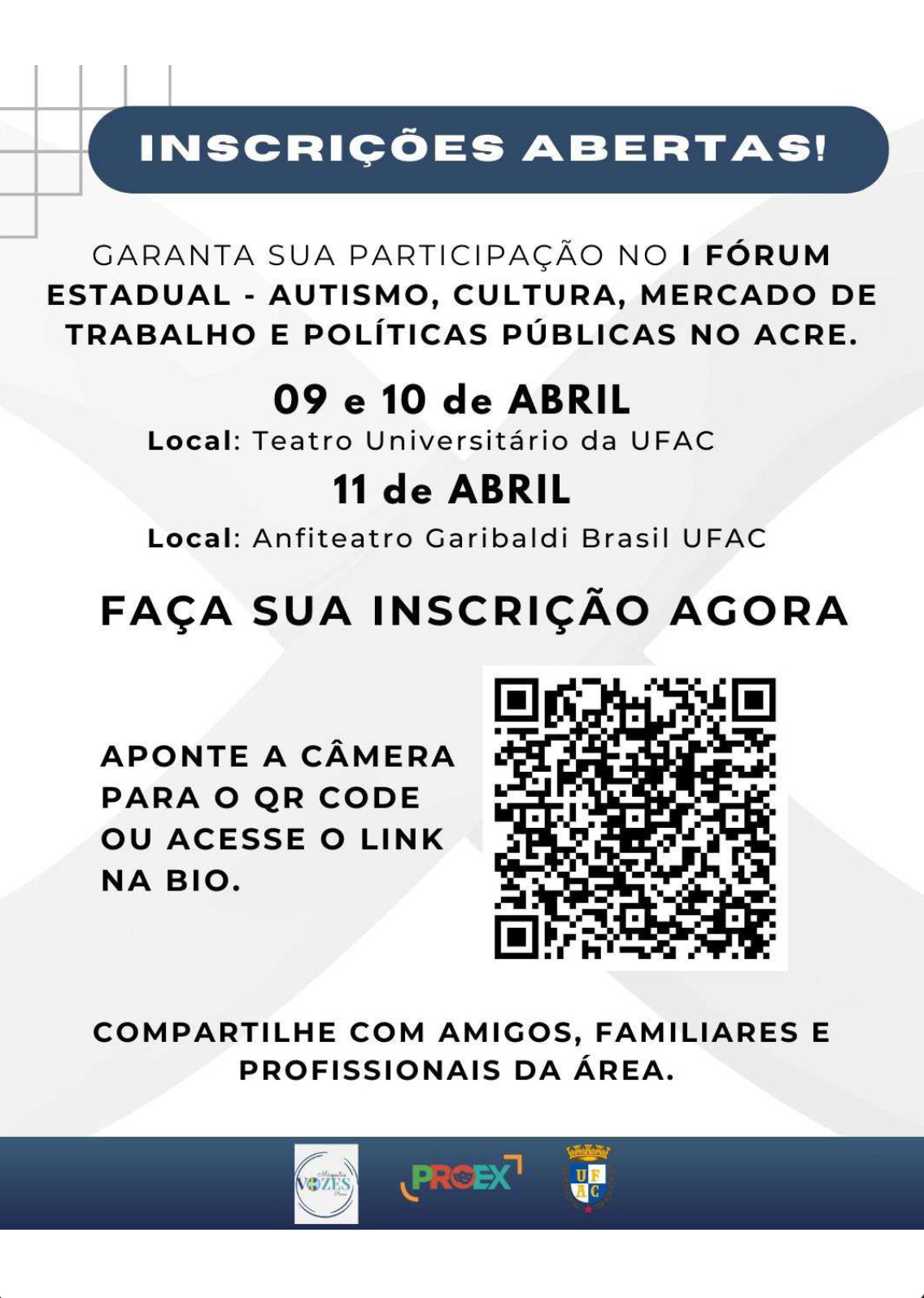
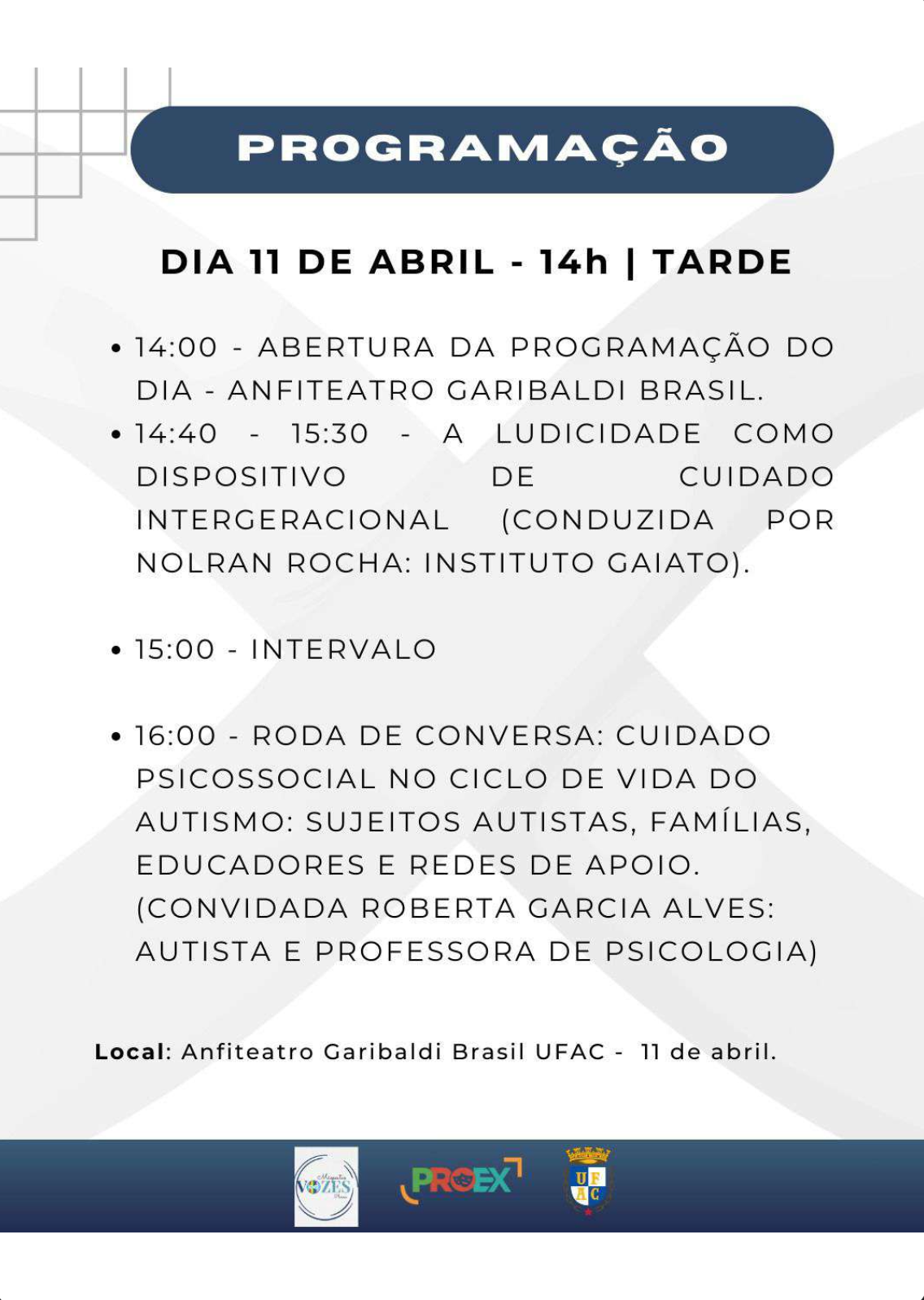
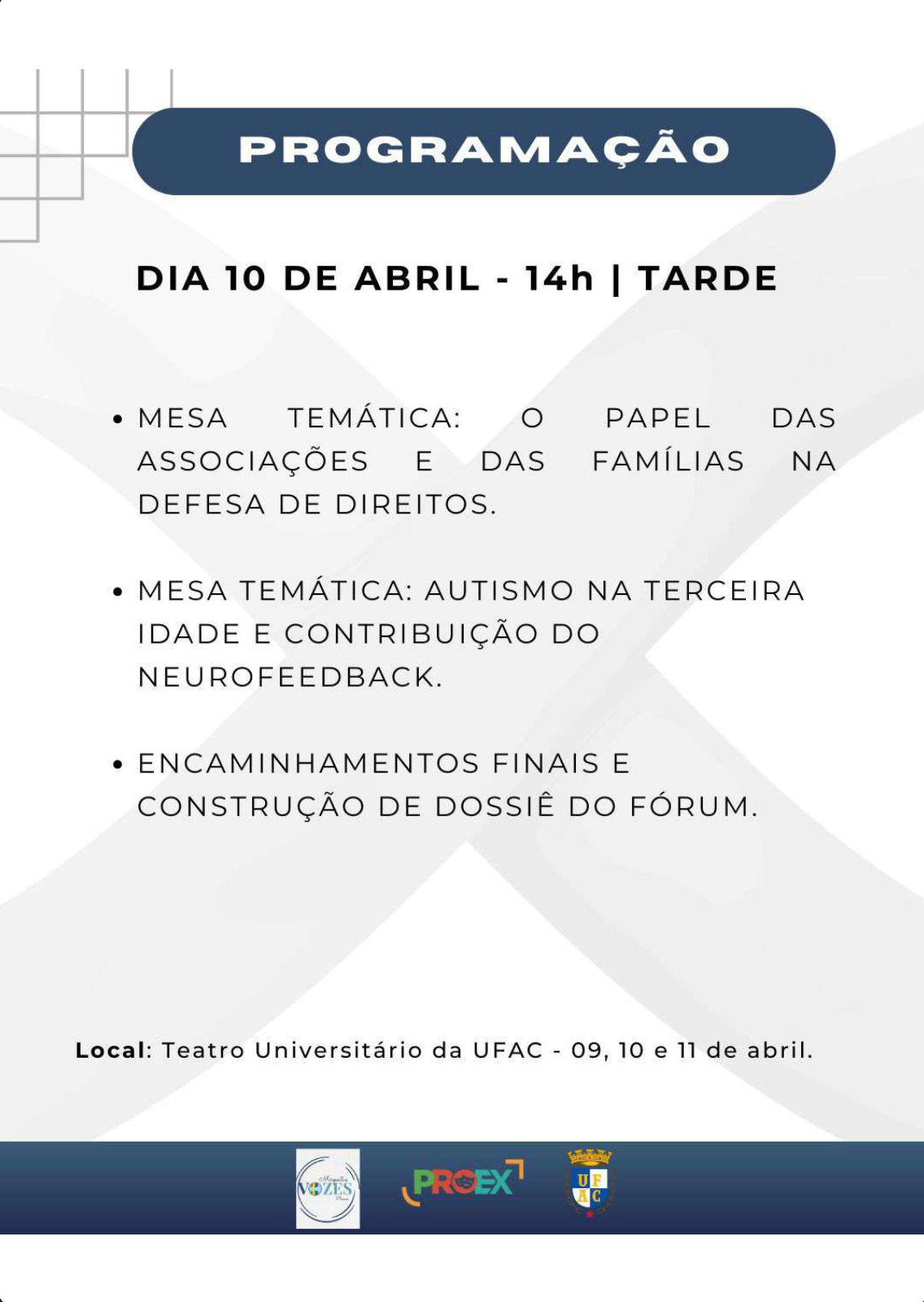
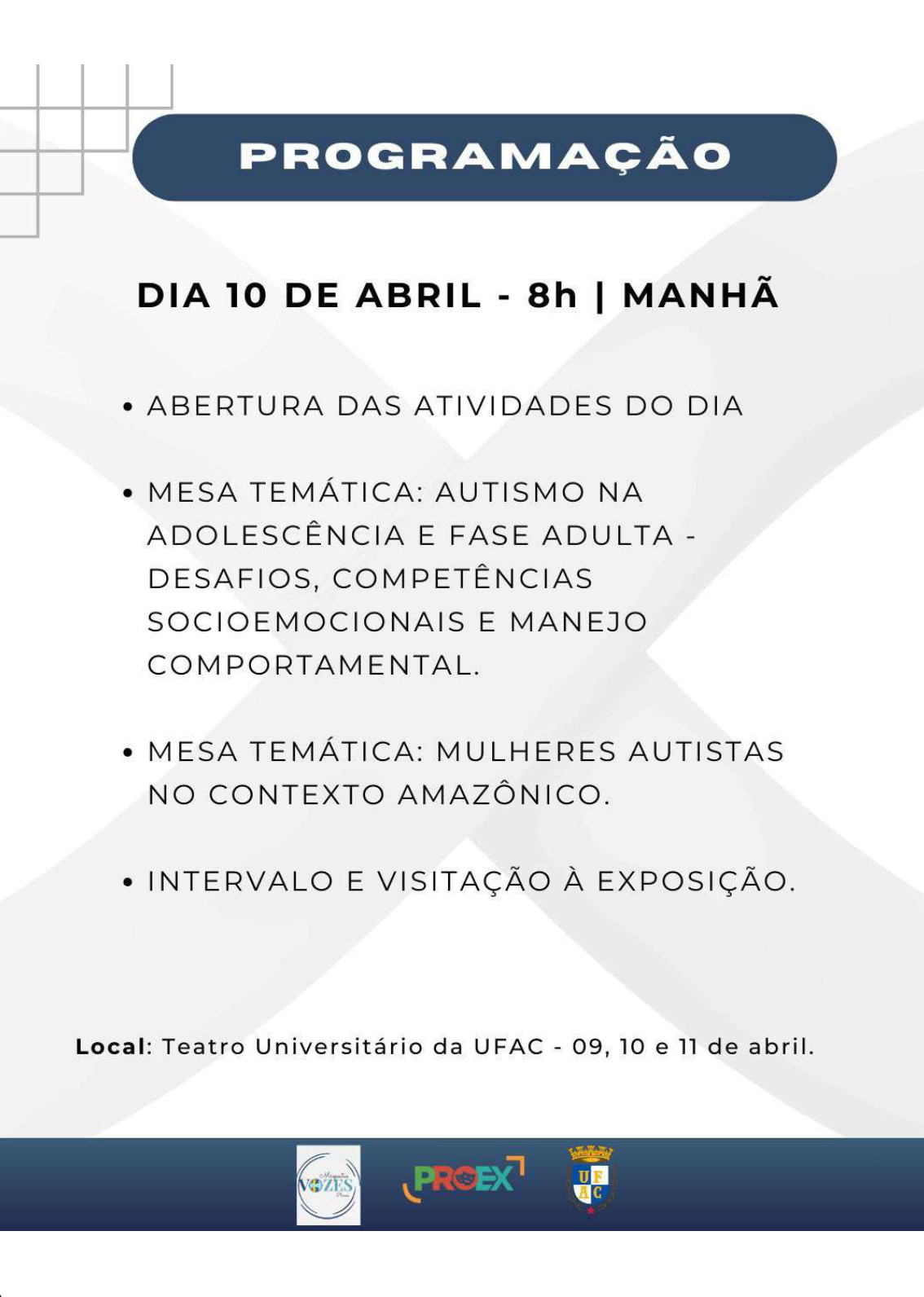
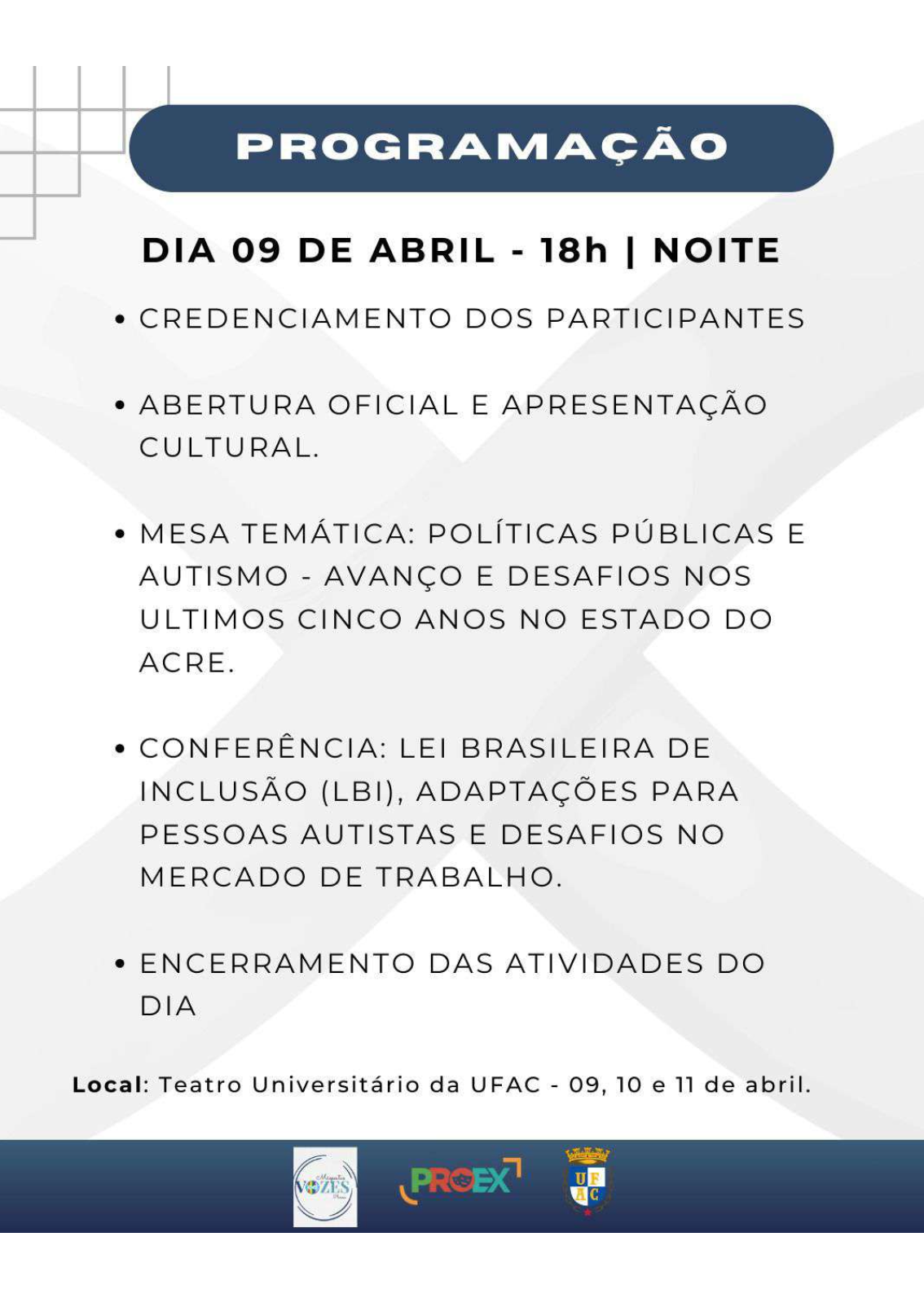
I FÓRUM ESTADUAL "Autismo, Cultura, Mercado de Trabalho e Políticas Públicas no Acre."
PUBLICADO
7 horas atrásem
6 de abril de 2026
09 e 10 de ABRIL
Local: Teatro Universitário da UFAC
11 de ABRIL
Local: Anfiteatro Garibaldi Brasil UFAC
Relacionado
ACRE
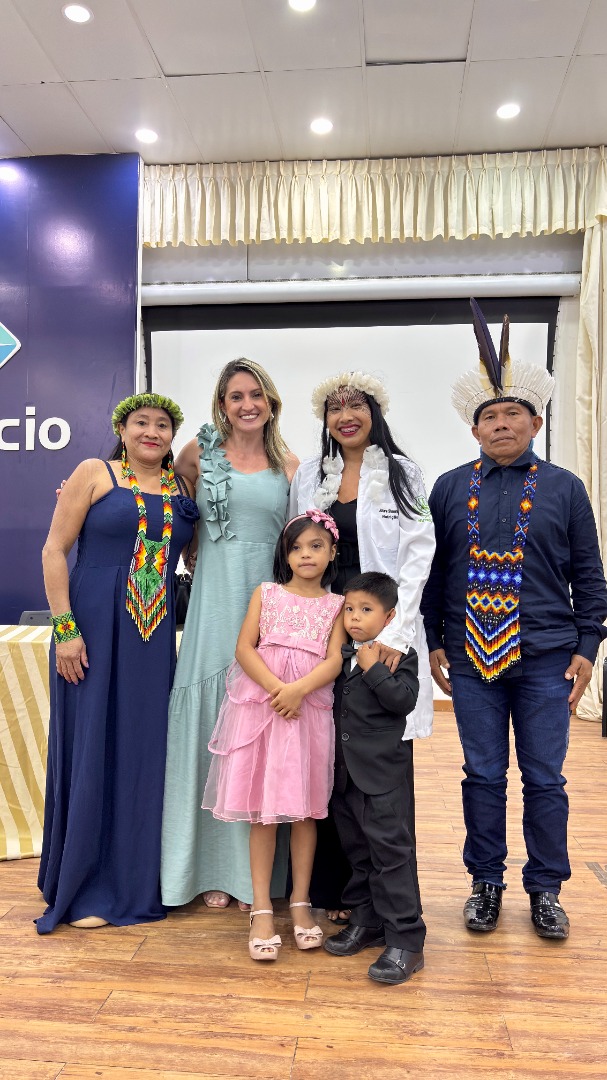
Cerimônia do Jaleco marca início de jornada da turma XVII de Nutrição — Universidade Federal do Acre
PUBLICADO
6 dias atrásem
31 de março de 2026
No dia 28 de março de 2026, foi realizada a Cerimônia do Jaleco da turma XVII do curso de Nutrição da Universidade Federal do Acre. O evento simbolizou o início da trajetória acadêmica dos estudantes, marcando um momento de compromisso com a ética, a responsabilidade e o cuidado com a saúde.
Relacionado
ACRE
Ufac realiza aula inaugural do MPCIM em Epitaciolândia — Universidade Federal do Acre
PUBLICADO
7 dias atrásem
31 de março de 2026
A Ufac realizou a aula inaugural da turma especial do mestrado profissional em Ensino de Ciência e Matemática (MPCIM) no município de Epitaciolândia (AC), também atendendo moradores de Brasileia (AC) e Assis Brasil (AC). A oferta dessa turma e outras iniciativas de interiorização contam com apoio de emenda parlamentar da deputada federal Socorro Neri (PP-AC). A solenidade ocorreu na sexta-feira, 27.
O evento reuniu professores, estudantes e representantes da comunidade local. O objetivo da ação é expandir e democratizar o acesso à pós-graduação no interior do Estado, contribuindo para o desenvolvimento regional e promovendo a formação de recursos humanos qualificados, além de fortalecer a universidade para além da capital.
A pró-reitora de Pesquisa e Pós-Graduação, Margarida Lima Carvalho, ressaltou que a oferta da turma nasceu de histórias, compromissos e valores ao longo do tempo. “Hoje não estamos apenas abrindo uma turma. Estamos abrindo caminhos, sonhos e futuros para o interior do Acre, porque quando o compromisso atravessa gerações, ele se transforma em legado. E o legado transforma vidas.”
Relacionado
PESQUISE AQUI
MAIS LIDAS


 ACRE7 dias ago
Ufac realiza aula inaugural do MPCIM em Epitaciolândia — Universidade Federal do Acre
 ACRE6 dias ago
Cerimônia do Jaleco marca início de jornada da turma XVII de Nutrição — Universidade Federal do Acre
 BOM EXEMPLO4 dias ago
Sambaex obtém reconhecimento regulatório no Brasil, acelera expansão no mercado e lança iniciativas sociais
 ACRE7 horas ago
I FÓRUM ESTADUAL "Autismo, Cultura, Mercado de Trabalho e Políticas Públicas no Acre."


Warning: Undefined variable $user_ID in /home/u824415267/domains/acre.com.br/public_html/wp-content/themes/zox-news/comments.php on line 48
You must be logged in to post a comment Login