
ACRE
Mayor Adams puts taxpayers on the hook for $1.6 billion a year on migrants — maybe through 2029!


ACRE
Ufac retoma Semana Acadêmica de Física após 6 anos, com planetário — Universidade Federal do Acre

A Universidade Federal do Acre (Ufac) realiza até esta sexta-feira, 23, a 3ª Semana Acadêmica de Física, no prédio do curso, no campus-sede, em Rio Branco. Iniciado nessa segunda-feira, 19, o evento retoma as atividades presenciais da semana acadêmica após seis anos de interrupção, causada pela pandemia de covid-19 e pela reorganização do calendário universitário.
A programação tem atrações abertas ao público, como oficinas de astronomia, observação do Sol com telescópio e um planetário móvel, instalado no segundo andar do prédio de Física. Há ainda palestras, apresentações de pesquisas de estudantes e minicursos práticos de elaboração de material didático, física experimental, criação de mapas, processamento de dados e sismologia.
Organizada em três eixos temáticos, a semana é voltada aos estudantes da licenciatura e do bacharelado em Física e do curso de Física Aplicada às Ciências da Terra. Os primeiros dias tiveram debates e palestras sobre o ensino de física e a formação docente. Em seguida, a programação trata de física pura, como mecânica quântica, relatividade e física de partículas, e termina com geofísica, astronomia e fenômenos naturais.
Segundo o coordenador do evento e professor do curso de Física, Victor Carreira, a retomada presencial reaproxima o curso da comunidade externa e das escolas de educação básica. Turmas do Instituto Federal do Acre visitaram a semana, e escolas da rede pública foram convidadas.
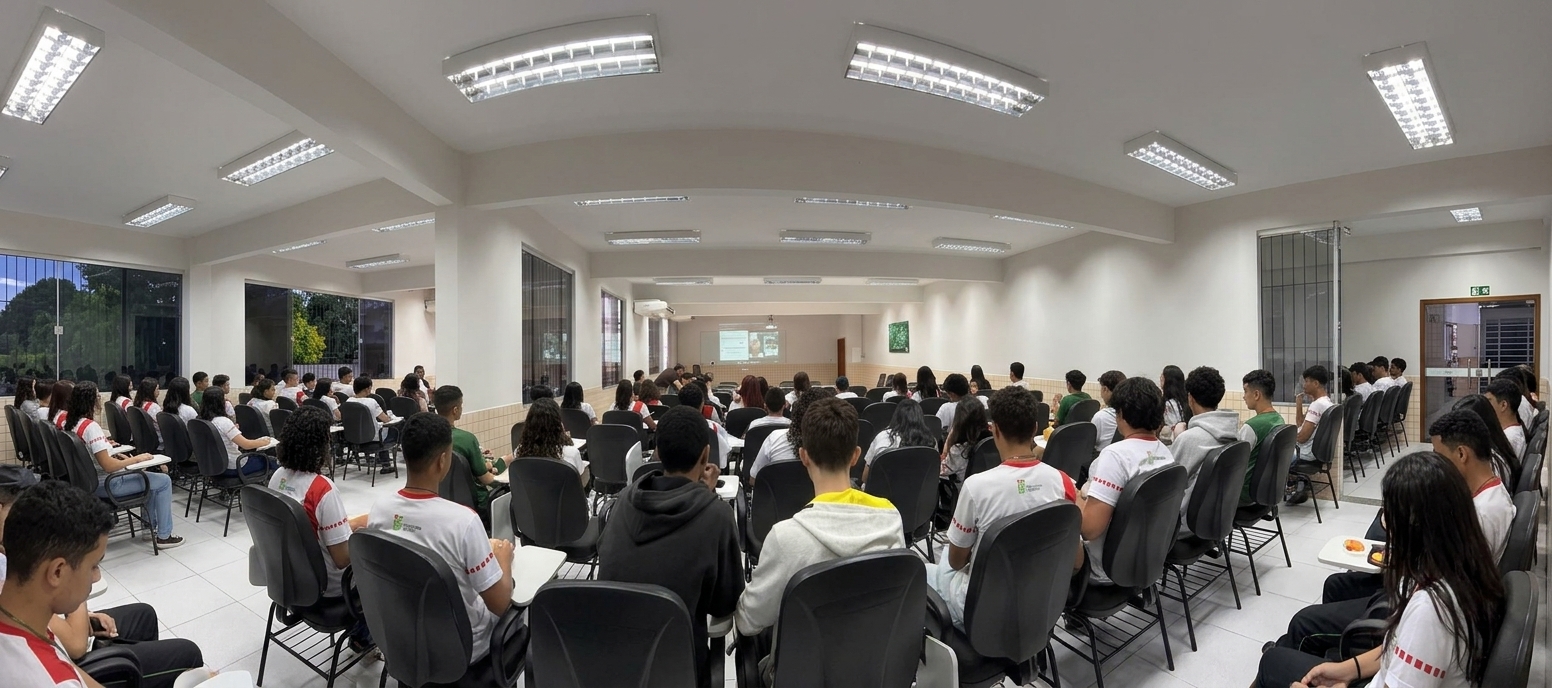
“A semana acadêmica é muito importante tanto para os nossos alunos quanto para a comunidade em geral de Rio Branco”, disse Carreira. “É uma oportunidade para jovens do ensino médio conhecerem a universidade e vivenciarem a ciência na prática.”
A cerimônia de encerramento ocorre nesta sexta-feira, 23, à tarde.
(Fhagner Soares, estagiário Ascom/Ufac)
ACRE
Pavic-Lab da Ufac apresenta seis trabalhos em congresso internacional de computação — Universidade Federal do Acre

Pesquisadores do projeto Pavic-Lab, da Universidade Federal do Acre (Ufac), apresentaram seis trabalhos científicos durante a Conference on Graphics, Patterns and Images (SIBGRAPI 2026), congresso internacional de referência nas áreas de computação gráfica, processamento de imagens e visão computacional, realizado de 29 de setembro a 2 de outubro, em Goiânia (GO). As pesquisas foram desenvolvidas no projeto de pesquisa e desenvolvimento (P&D) Pesquisas Aplicadas em Visão e Inteligência Computacional (Pavic-Lab), uma iniciativa de cooperação técnico-científica entre a Ufac, Motorola, Flextronics e Fundação de Apoio e Desenvolvimento ao Ensino, Pesquisa e Extensão Universitária no Acre (Fundape).
Segundo a professora do Centro de Ciências Exatas e Tecnológicas (CCET), Ana Beatriz Alvarez Mamani, a participação no congresso contribui para divulgar a produção científica desenvolvida no Acre e ampliar o intercâmbio com outras instituições. Ela destacou que a presença da Ufac em eventos científicos também ajuda a reduzir as desigualdades regionais na ciência brasileira, além de possibilitar novas parcerias e o aperfeiçoamento das pesquisas.
A equipe foi composta pela professora Ana Beatriz Alvarez Mamani, pelo pesquisador Quefren Leher, pelos mestrandos do Programa de Pós-Graduação em Ciência da Computação (PPGCC) Clécio Silva, Lucas Carvalho, Gustavo Ferreti, Julio Martins e Ian Teixeira, além do graduando em Sistemas de Informação Kauã Galvão de Macedo.
Dos seis trabalhos apresentados, um integrou uma sessão especial do congresso e já foi publicado na revista científica Computers & Graphics. Outros três foram apresentados na programação principal, com previsão de publicação nos anais do Instituto de Engenheiros Eletricistas e Eletrônicos (IEEE) e na biblioteca digital da Sociedade Brasileira de Computação (SBC). Os dois trabalhos restantes foram apresentados em workshops, também com previsão de publicação na biblioteca digital da SBC.
As pesquisas estão divididas em duas áreas principais: reconstrução tridimensional e processamento de imagens. Na primeira, Clécio Silva apresentou um método computacional para criar representações digitais mais detalhadas de ambientes internos a partir de imagens. A tecnologia pode ser aplicada em jogos, realidade virtual e aumentada, simulações e projetos da construção civil.
Na área de processamento de imagens, Lucas Carvalho apresentou uma pesquisa para reconstruir imagens de alta faixa dinâmica (HDR) a partir de uma única imagem convencional, buscando recuperar detalhes em regiões claras e escuras. Gustavo Ferreti desenvolveu uma rede neural para combinar imagens com diferentes níveis de exposição e melhorar a qualidade visual dos resultados.
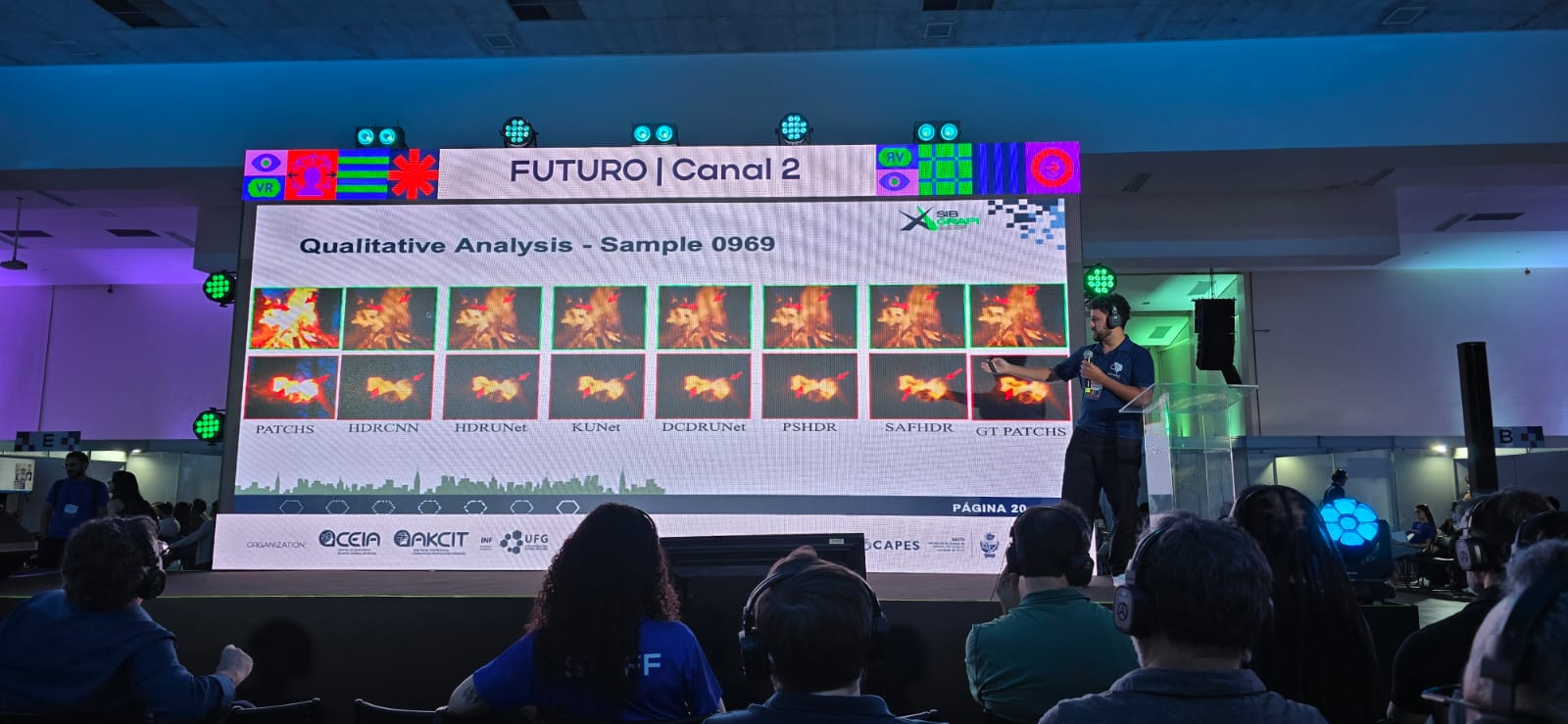
Julio Martins apresentou uma metodologia para reduzir o custo computacional da reconstrução de imagens HDR, preservando a qualidade das imagens produzidas. Ian Teixeira investigou o uso de mecanismos de atenção em modelos de inteligência artificial para recuperar informações em imagens de baixa qualidade. Já Kauã Galvão de Macedo apresentou uma abordagem que combina redes neurais e técnicas de processamento de sinais para melhorar imagens capturadas em ambientes com pouca iluminação.
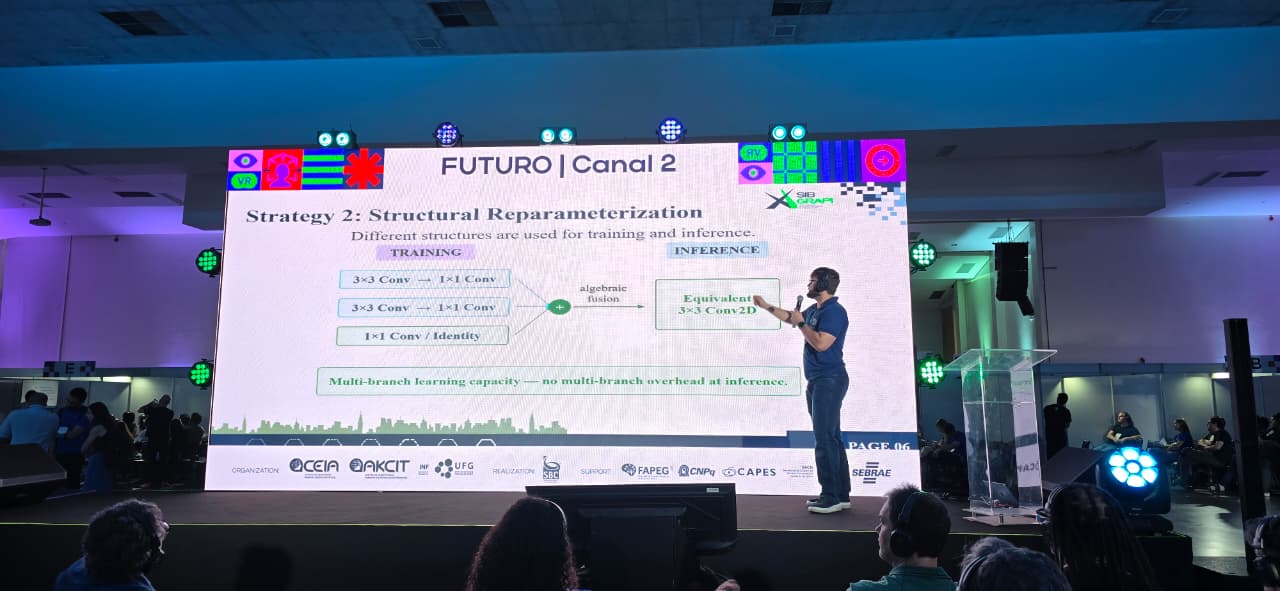
Os métodos desenvolvidos apresentam potencial de aplicação em sistemas embarcados com recursos computacionais limitados, como dispositivos eletrônicos que integram processamento de imagens, permitindo aprimorar a qualidade visual com menor demanda de processamento.
Para o graduando Kauã Galvão de Macedo, a participação no congresso proporcionou a oportunidade de apresentar os resultados de sua pesquisa e conhecer novas abordagens científicas. “Foi uma ótima experiência, tanto pela oportunidade de apresentar minhas pesquisas desenvolvidas na Ufac quanto pela troca de conhecimentos com pesquisadores de outras instituições”, afirmou.
Segundo Kauã, as discussões realizadas durante o evento possibilitaram o contato com técnicas que poderão contribuir para suas pesquisas e para os projetos desenvolvidos pelo Pavic-Lab, além de abrir oportunidades de colaboração científica.
O mestrando em Ciência da Computação Gustavo de Souza Ferreti também destacou a importância da experiência para sua formação acadêmica. “Tive a oportunidade gratificante de conhecer professores e pesquisadores com ampla trajetória no nosso campo, além de ouvir sobre suas vivências e receber orientações valiosas para aprimorar meu trabalho”, disse.
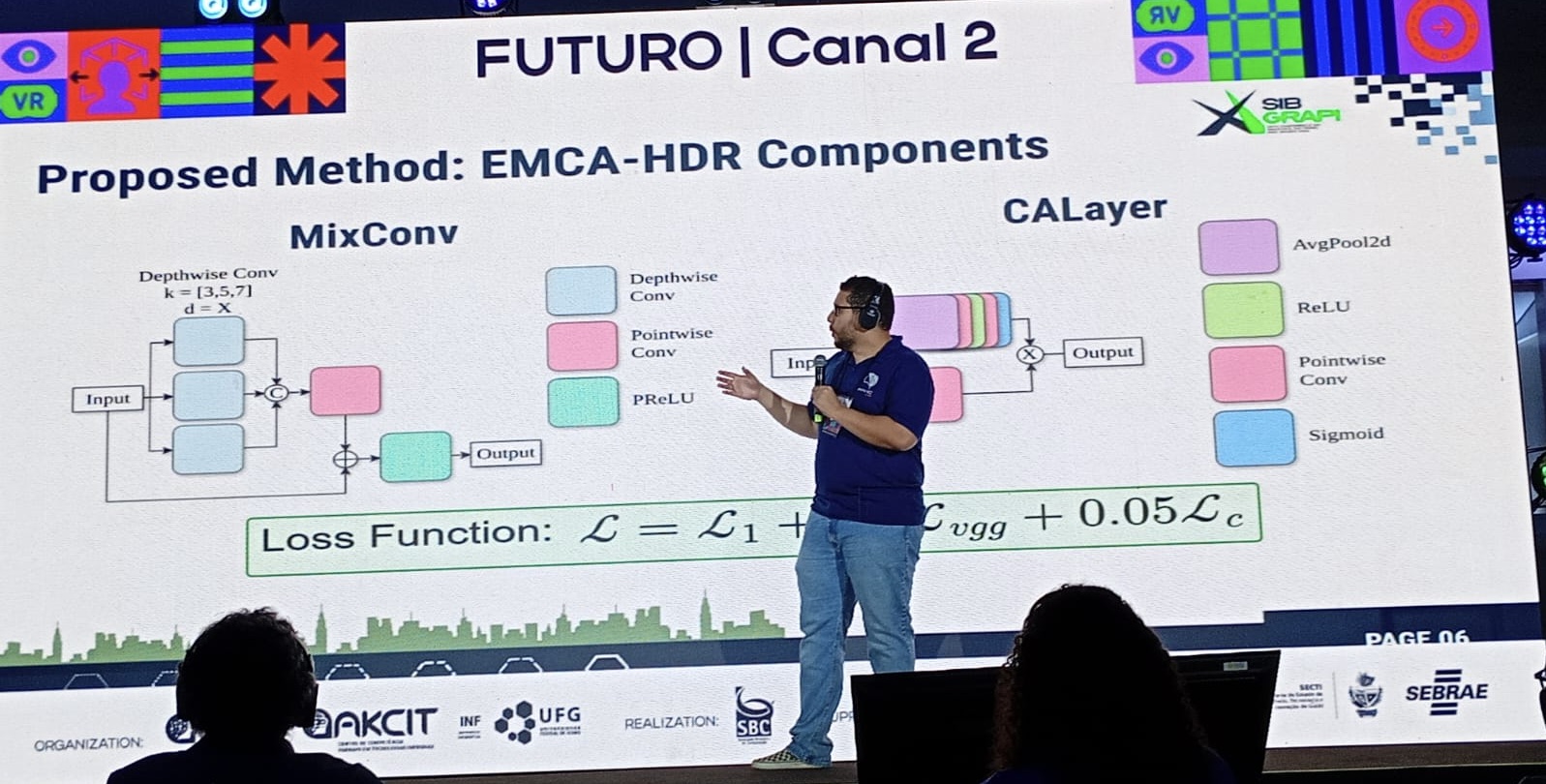
O Pavic-Lab desenvolve atividades de pesquisa voltadas ao processamento de imagens, ao aprimoramento da qualidade visual e à reconstrução tridimensional de ambientes e objetos. Após a participação no congresso, a equipe dará continuidade às pesquisas científicas, com novos experimentos e avaliações para aperfeiçoar os métodos, reduzir custos computacionais e ampliar as possibilidades de aplicação prática dos resultados.

A Universidade Federal do Acre (Ufac) iniciou, na manhã desta segunda-feira, 19, a 1ª Conferência Internacional Amazônia Nexus. A solenidade de abertura ocorreu no auditório do e-Amazônia, no campus-sede, em Rio Branco, e reuniu professores, estudantes, participantes externos e palestrantes locais, nacionais e internacionais.
A vice-reitora da Ufac, Almecina Balbino, destacou que o evento busca fortalecer a produção científica regional e estreitar os laços interinstitucionais. Segundo ela, a conferência favorece a criação de uma rede de conexão entre os programas de pós-graduação e viabiliza a internacionalização por meio da cooperação Sul-Sul, permitindo que pesquisadores externos contribuam diretamente para os estudos sobre o território amazônico.
O pró-reitor de Extensão e Cultura, Marco Amaro, ressaltou o papel da extensão universitária na articulação do conhecimento científico com a comunidade. “Não existe integração entre ensino, pesquisa e extensão se a gente tirar as pesquisas da prateleira sem estarmos envolvidos com ações de extensão, que fazem a intermediação entre o conhecimento da universidade e a sociedade”, declarou. Ele também destacou que a rede de contatos estabelecida entre as diferentes áreas fortalece a qualidade acadêmica da instituição.
O coordenador do evento, professor Flávio Roberto Chaves da Silva, expressou satisfação com o início da conferência e destacou a dimensão coletiva da iniciativa. “É com muita alegria, satisfação e gratidão que damos início a este projeto que nasceu do desejo de fortalecer a ciência, a cooperação e a internacionalização da pesquisa na Amazônia. Celebramos a coragem de começar, a força do trabalho coletivo e a realização de um sonho. Que esta seja a primeira de muitas edições, promovendo o conhecimento e contribuindo para o desenvolvimento sustentável da nossa região”, afirmou o docente, agradecendo a parceria dos palestrantes, da comissão organizadora e dos apoiadores.
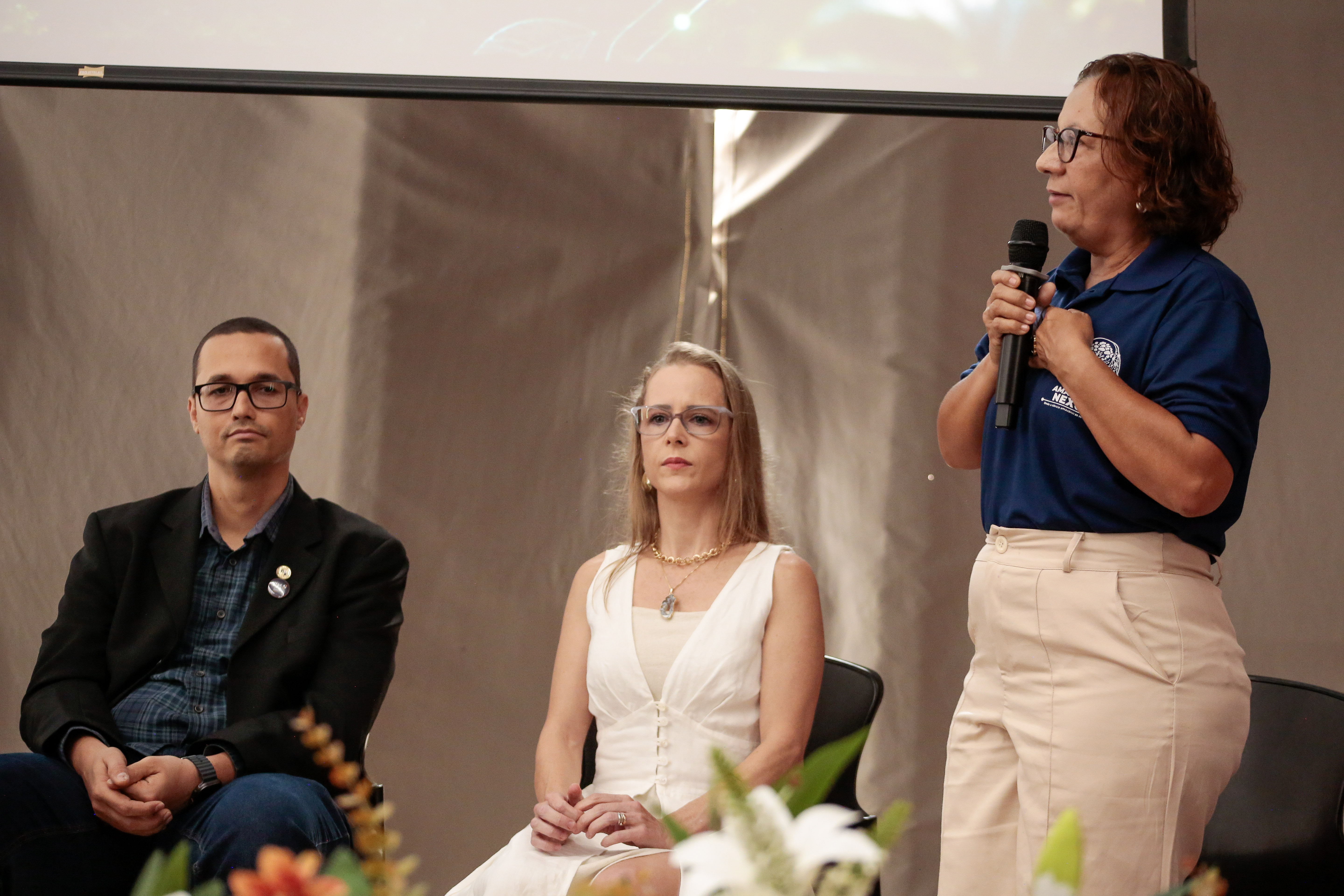
Durante a abertura, a mesa de debates destacou a importância do encontro para a região. O professor e pesquisador Lin Shau Ming, da Universidade Federal do Amazonas (Ufam), um dos palestrantes do dia, ressaltou que os estudos sobre plantas medicinais e agrobiodiversidade contribuem para o bem-estar das comunidades tradicionais. Segundo ele, o tema está alinhado à proposta central do evento de promover a integração de diferentes saberes e áreas do conhecimento na universidade.
A coordenadora do Programa de Pós-Graduação em Ciência Animal na Amazônia Ocidental, Cíntia Daudt, destacou o compromisso social da universidade com a produção de conhecimento e o desenvolvimento regional. “É um evento bem importante para a nossa região e para a nossa universidade. Estamos aqui cumprindo o nosso ato de educação. Como dizia Paulo Freire, ‘educar é um ato político’. Nós estamos cumprindo a nossa parte, unindo ensino, pesquisa e extensão em um único evento”, afirmou.
A cerimônia de abertura contou ainda com a participação do pró-reitor de Pesquisa, Pós-Graduação e Inovação, Dionatas Meneguetti; dos coordenadores Fernando da Silva Souza, de Ciência, Inovação e Tecnologia para a Amazônia; Felipe Souza, de Ciência Florestal; Regina Lúcia Ferreira, de Produção Vegetal; e da vice-coordenadora Danúsia Rocha, de Saúde Coletiva.
(Fhagner Soares, estagiário Ascom/Ufac)


 ACRE7 dias ago
Ufac e SEE discutem disponibilização de produtos educacionais para professores da rede estadual — Universidade Federal do Acre
Warning: Undefined array key 0 in /home/u824415267/domains/acre.com.br/public_html/wp-content/themes/zox-news/single.php on line 591
Warning: Attempt to read property "cat_name" on null in /home/u824415267/domains/acre.com.br/public_html/wp-content/themes/zox-news/single.php on line 591
5 dias agoEstudantes de Jornalismo da Ufac ensinam audiovisual a moradores da Reserva Cazumbá-Iracema — Universidade Federal do Acre
 ACRE5 dias ago
Ufac promove ação de prevenção à saúde da mulher durante o Outubro Rosa — Universidade Federal do Acre
 ACRE3 dias ago
Ufac abre 1ª Conferência Internacional Amazônia Nexus — Universidade Federal do Acre


Warning: Undefined variable $user_ID in /home/u824415267/domains/acre.com.br/public_html/wp-content/themes/zox-news/comments.php on line 48
You must be logged in to post a comment Login